
Stomach Cancer Treatment
Stomach Cancer
What is Stomach Cancer?
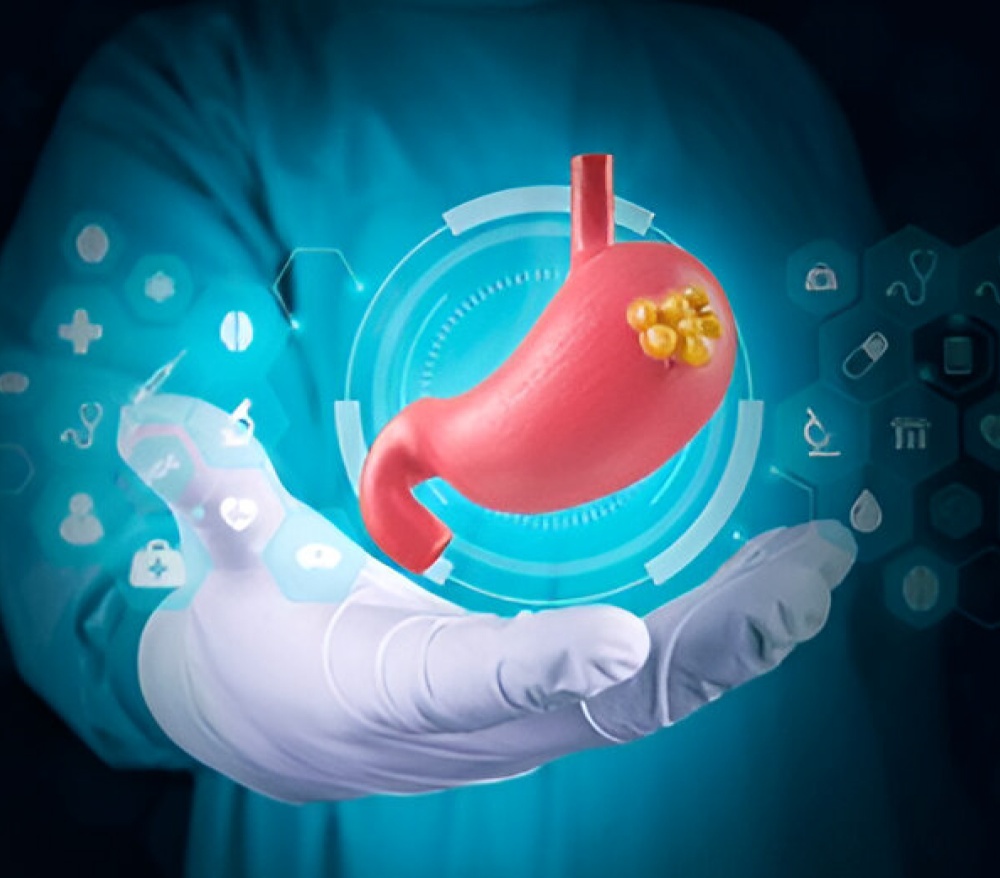
Stomach cancer, also known as gastric cancer, is a disease characterized by the abnormal growth of malignant cells in the lining of the stomach. It can occur in any part of the stomach and may spread to nearby lymph nodes and other organs if left untreated.
The stomach is a muscular, sac-like organ located in the upper abdomen. It stores and begins the digestion of food before passing it on to the small intestine. Cancer disrupts this process and can lead to a variety of symptoms.
Causes and Risk Factors
While the exact cause of stomach cancer isn’t always clear, several factors are known to increase risk:
- Helicobacter pylori infection
- High salt, smoked, or nitrate-rich food intake
- Low intake of fruits and vegetables
- Obesity
- Chronic gastritis or gastric ulcers
- Gastroesophageal reflux disease (GERD)
- Smoking and alcohol consumption
- Exposure to radiation or certain chemicals (e.g., in coal or rubber industries)
- Family history of gastric cancer
- Genetic syndromes like Lynch syndrome, FAP, or Li-Fraumeni syndrome
- Prior stomach surgery
Symptoms of Stomach Cancer
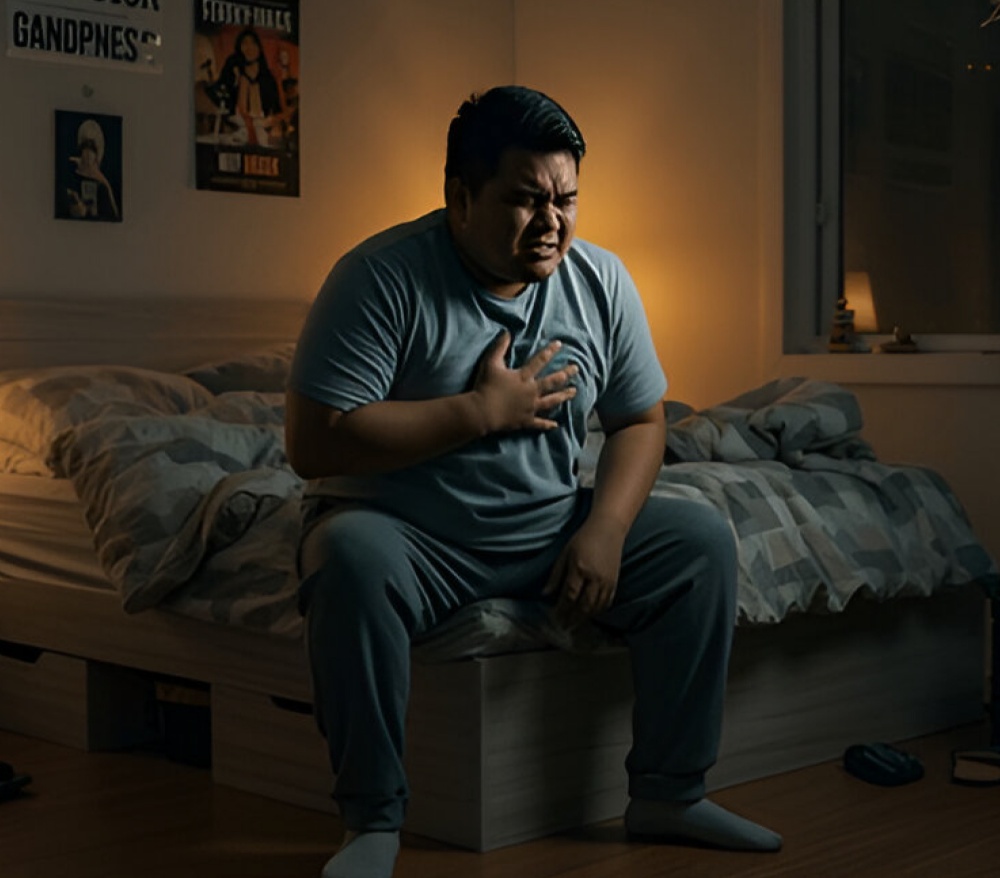
Stomach cancer symptoms can be vague in the early stages. As the disease progresses, you may experience:
Persistent indigestion or heartburn

Difficulty swallowing

Feeling full after eating small amounts
Bloating after meals

Nausea or vomiting (sometimes with blood)

Unexplained weight loss

Fatigue or weakness

Upper abdominal pain or discomfort

Gastric outlet obstruction
If you notice any of these symptoms persisting over time, it’s important to seek medical advice promptly.
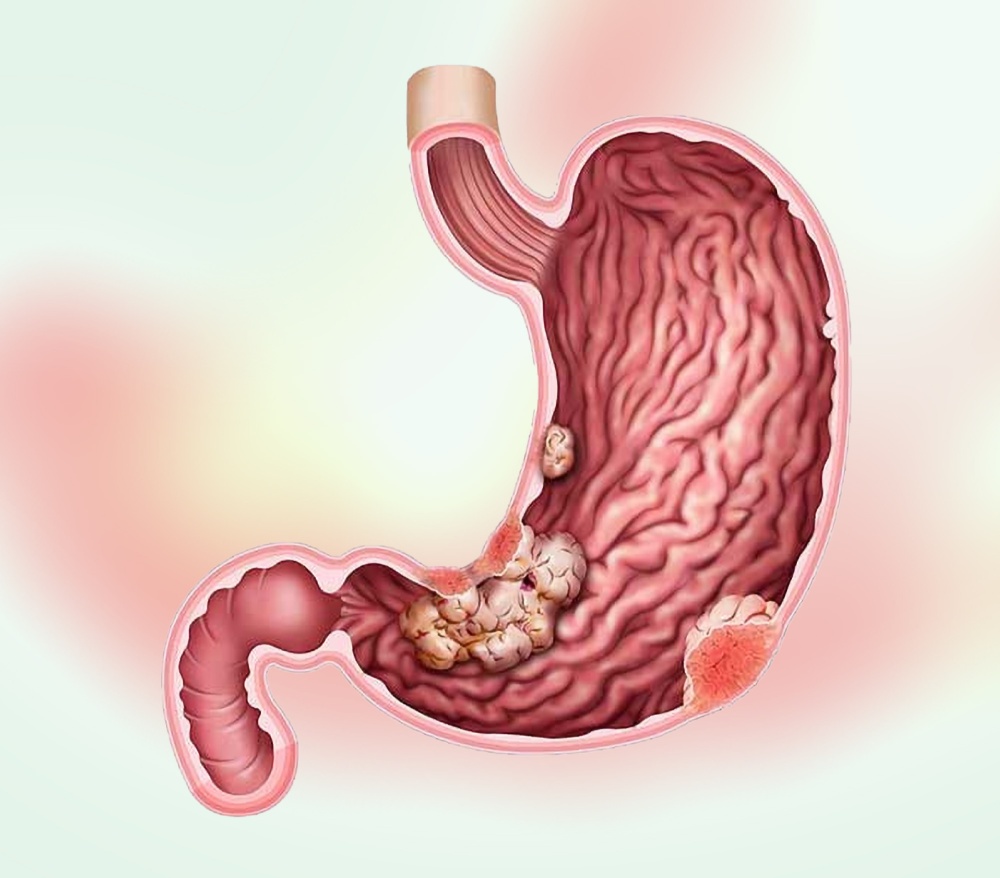
Types of Stomach Cancer (Gastric Cancer) ?
There are several types of stomach cancer based on the cells involved:
Adenocarcinoma
The most common form (90–95% of cases), originating in the glandular cells of the stomach lining.
Lymphoma
Cancer of the lymphatic tissue found in the stomach wall.
Gastrointestinal Stromal Tumour (GIST)
Arises from interstitial cells (Cajal cells); can be benign or malignant.
Carcinoid Tumour
Develops in hormone-producing cells in the stomach.
Sarcomas
Rare tumours that develop in the muscle or connective tissue.
Stomach Cancer Prevention
Though stomach cancer can’t always be prevented, certain lifestyle changes can reduce your risk:
- Maintain a healthy weight and exercise regularly
- Eat a diet rich in fruits and vegetables
- Limit intake of salty, smoked, and processed foods
- Avoid tobacco and excessive alcohol
- Treat H. pylori infections promptly
- Get regular screenings if you have a family history of stomach cancer
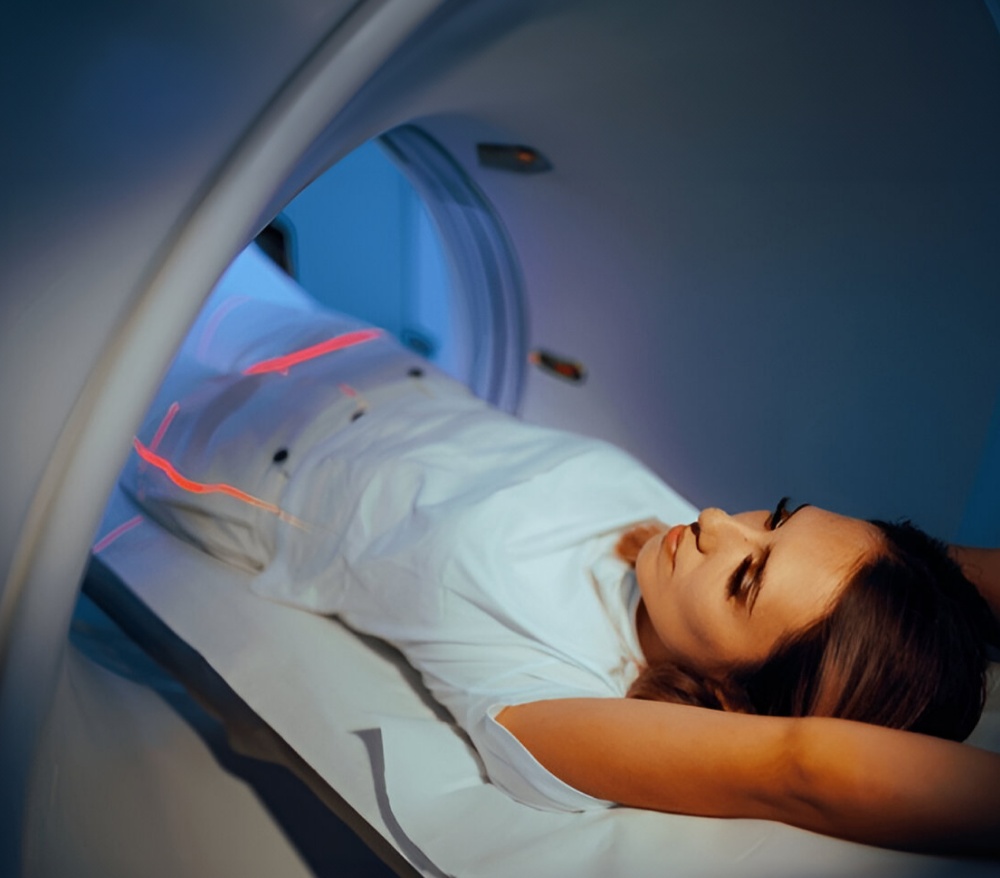
Diagnostic Tests for Stomach Cancer
If stomach cancer is suspected, the following investigations may be recommended:
- Physical Examination: Includes detailed history-taking and abdominal examination.
- Upper GI Endoscopy (UGI scopy): A flexible tube with a camera is used to visualize the inside of the stomach.
- Biopsy: A tissue sample taken during endoscopy helps confirm the cancer type.
- Blood Tests: Routine tests and tumour markers such as CEA and CA 19.9.
- CT Scan (Chest, Abdomen, Pelvis): To assess the extent and staging of cancer.
- PET-CECT Scan: To detect distant metastasis in advanced or recurrent cases.
- Diagnostic Laparoscopy: Performed in some cases to check for spread inside the abdomen and guide treatment planning.
Treatment Options for Stomach Cancer
Surgery is often the primary treatment for stomach cancer, depending on the stage and location of the tumour:
- Endoscopic Mucosal Resection (EMR) / Endoscopic Submucosal Dissection (ESD): Minimally invasive procedures for early-stage cancers limited to the mucosa or submucosa.
- Subtotal Gastrectomy: Partial removal of the stomach along with nearby lymph nodes, typically for larger tumours.
- Total Gastrectomy: Complete removal of the stomach, followed by reconstruction to allow digestion.
- Bypass Surgery (Gastrojejunostomy): In advanced cases, a bypass is created to relieve gastric obstruction and allow food passage.
Chemotherapy may be administered before or after surgery depending on the stage:
- Neoadjuvant Chemotherapy: Given before surgery to shrink the tumour.
- Adjuvant Chemotherapy: Given after surgery to eliminate residual cancer cells.
- Concurrent Chemoradiotherapy: Chemotherapy given alongside radiation for enhanced effect.
- Intraperitoneal Chemotherapy (IP): In advanced cases with peritoneal spread, chemo is delivered directly into the abdominal cavity using a port.
High-energy radiation is used to destroy cancer cells. Radiation may be recommended after surgery or in combination with chemotherapy (chemo-radiation).
Targeted therapy drugs attack specific molecules in cancer cells. For example, Trastuzumab is used for HER2-positive gastric cancers to block tumour growth.
Immunotherapy helps stimulate the body’s immune system to recognize and attack cancer cells. It may be offered in advanced or metastatic stages where other treatments have limited effect.
Our Oncologists
FAQs - Stomach cancer treatment
What are the first warning signs of stomach cancer?
Early signs of stomach cancer include persistent indigestion, stomach pain, nausea, bloating, appetite loss, and unexplained weight loss. At Thangam Cancer Center, we recommend early evaluation with advanced scans if symptoms persist.
How is stomach cancer treated?
Stomach cancer treatment may include surgery, chemotherapy, radiation, targeted therapy, or immunotherapy for advanced cases. Thangam Cancer Center offers all major evidence-based gastric cancer treatments through a multidisciplinary oncology team.
Is surgery always necessary for stomach cancer treatment?
No, surgery is mainly for localized or early-stage cancer. Advanced cases may start with chemotherapy. At Thangam Cancer Center, doctors decide the best sequence based on staging results.
How long is chemotherapy for stomach cancer?
Chemotherapy for stomach cancer typically lasts 3 to 6 months in cycles, given in 3–4-week cycles. It may extend to 6–8 cycles or longer based on response, and adjuvant therapy can continue up to a year in select cases. At Thangam Cancer Center, chemo schedules are personalized and supported with symptom care.
Can stomach cancer be cured completely?
Yes, stomach cancer can be cured completely, especially when detected early. Cure chances are highest in localized stages. Thangam Cancer Center emphasizes early diagnosis and combined therapy to improve cure rates.
What are the common side effects of stomach cancer treatment?
Stomach cancer treatment side effects may include fatigue, nausea, vomiting, low immunity, diarrhea/constipation, hair loss, appetite changes and low blood counts. At Thangam Cancer Center, supportive care, nutrition, and monitoring help minimize discomfort.
How long does recovery take after stomach cancer surgery?
Recovery from stomach cancer surgery usually takes 4 to 8 weeks. Full strength and diet adjustment may take 6 months to 1 year. Thangam Cancer Center provides post-surgery rehab and dietary guidance for faster, safer recovery.
Is stomach cancer curable with chemotherapy?
Chemo alone rarely cures stomach cancer, but it can shrink and control tumors. At Thangam Cancer Center, chemo is often combined with surgery or targeted therapy for better remission outcomes
What is the best treatment for stomach cancer?
There is no single best treatment for stomach cancer, it is personalized based on stage, tumor location, and patient health. Common options include surgery, chemotherapy, radiation, targeted therapy and immunotherapy, often used in combination. At Thangam Cancer Center, treatment plans are customized using biopsy and advanced testing for the best possible outcomes.
What is the recovery time for stomach cancer surgery?
Stomach cancer surgery recovery usually includes 3–10 days in hospital, 4–6 weeks for light activities and several months to 1 year for full strength and diet adjustment, especially after total gastrectomy. At Thangam Cancer Center, recovery is supported with structured follow-ups, wound care and personalized nutrition planning.
What is the latest/new treatment for stomach cancer?
Latest stomach cancer treatments include immunotherapy (pembrolizumab, nivolumab) and targeted therapy (trastuzumab for HER2+, Zolbetuximab for CLDN18.2+). At Thangam Cancer Center, these advanced treatment options are offered based on accurate diagnostics and specialist evaluation.