
Lymphoma Cancer Treatment
Lymphoma Treatment at Thangam Hospital
Lymphoma Treatment Options
Radiation for Lymphoma Treatment
Targeted Therapy for Lymphoma Treatment
Early Stage Lymphoma Treatment
Lymphoma Cancer Diagnosis & Treatment
Lymphoma
Lymphoma care at Thangam cancer center
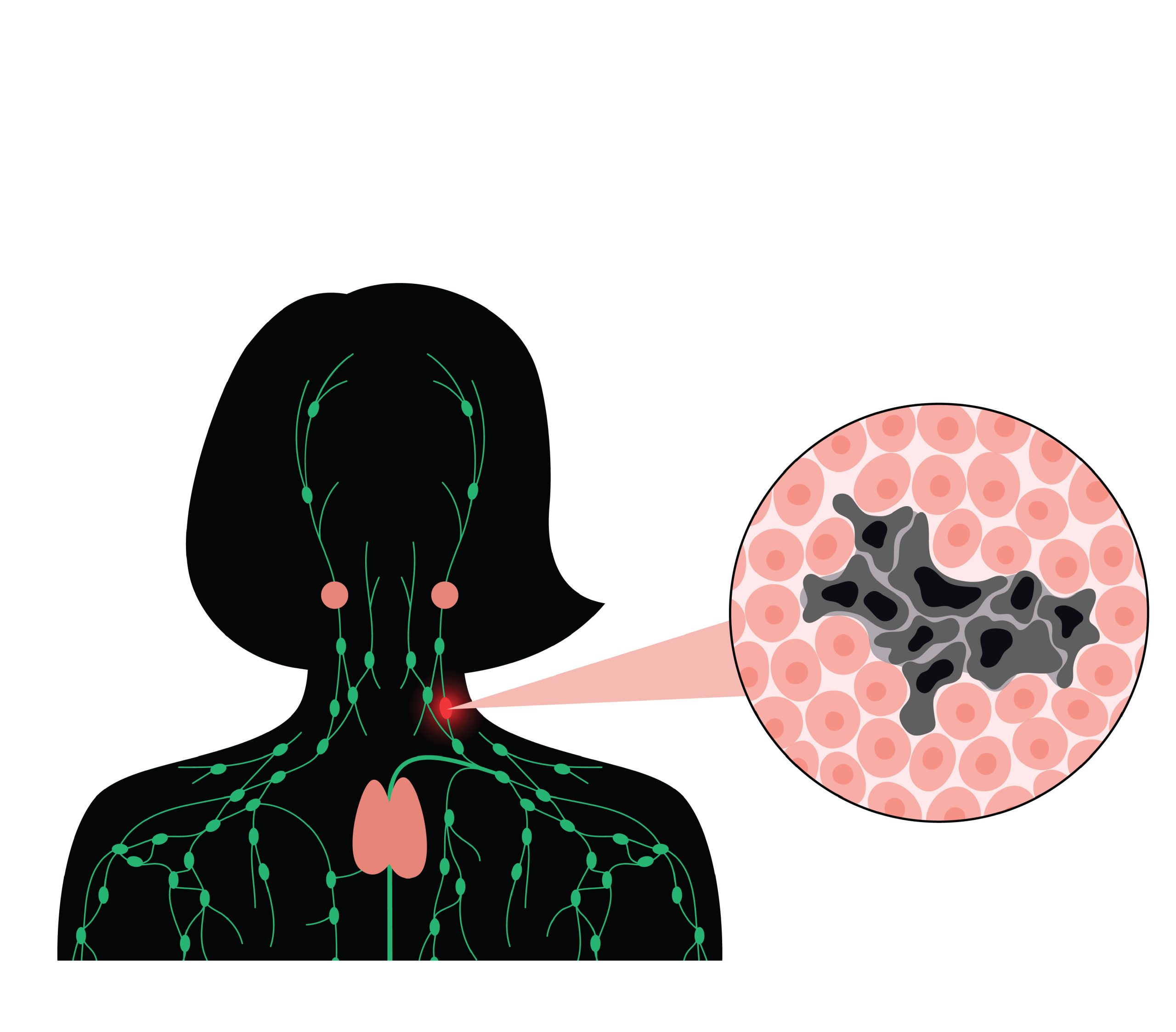
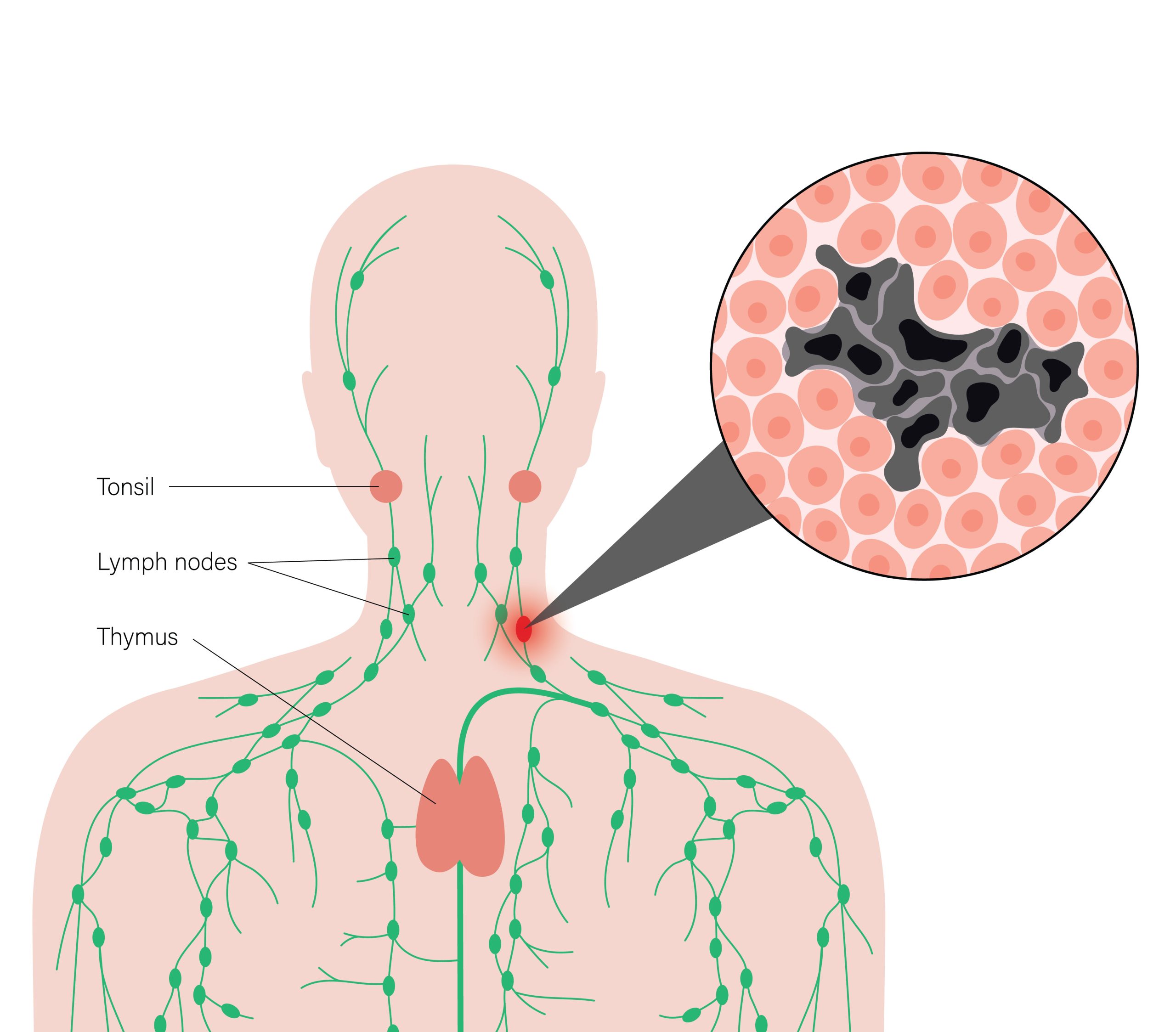
Lymphoma is a type of cancer that affects the lymphatic system—a crucial part of your immune system responsible for fighting infections. This system includes lymph nodes, spleen, thymus, and bone marrow. Lymphoma begins in lymphocytes, a type of white blood cell, and can quickly spread to other organs such as the liver, lungs, and bone marrow.
Although lymphoma can affect people of any age, it is one of the most common cancers in children, teens, and young adults aged 15–24. The good news is that lymphoma is often treatable, especially with early diagnosis and expert care.
Risk Factors for Lymphoma
Non-Hodgkin Lymphoma Risk Factors:
- Age More common in people over 60, but some types affect younger adults and children
- Gender Some types are more common in men, others in women
- Radiation/Chemical Exposure Including agricultural chemicals and nuclear radiation
- Immune deficiency Due to HIV/AIDS or organ transplant medications
- Autoimmune diseases Like rheumatoid arthritis and celiac disease
- Infections EBV (Epstein-Barr virus), H. pylori, or HTLV-1
- Obesity and poor diet
- Breast implants Rare but associated with a specific subtype
Hodgkin Lymphoma Risk Factors:
- Epstein-Barr Virus (EBV) or history of mononucleosis
- Age Most cases occur between 20–30 or over 55
- Gender Slightly more common in males
- Family history, especially among identical twins
- HIV infection or compromised immunity
Common Symptoms of Lymphoma
Lymphoma symptoms can be vague and are sometimes mistaken for common infections.
However, unlike regular infections, these symptoms do not go away on their own:

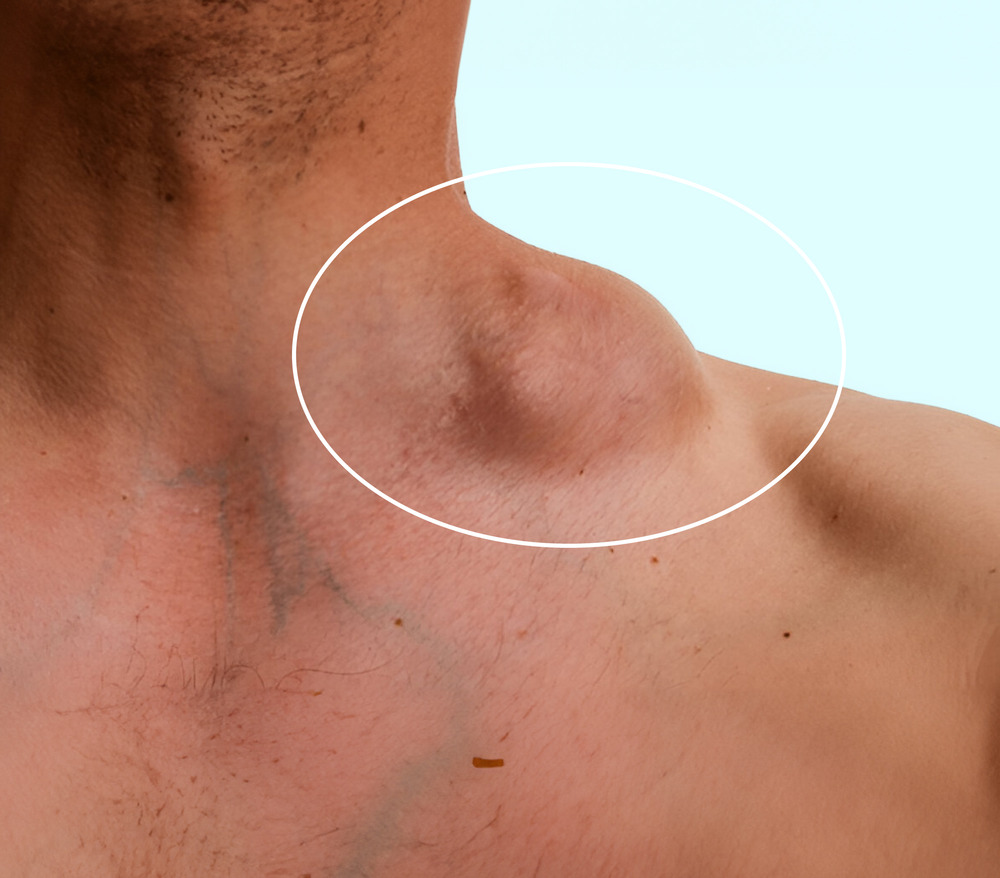
Swollen lymph nodes in the neck, armpits, groin, or abdomen

Swellings that are usually painless but may become painful if pressing nearby organs

Back pain, weakness, or neurological symptoms if lymph nodes press spinal nerves

Unexplained weight loss and loss of appetite

Night sweats, chills, and fever without any infection

Pain in lymph nodes after alcohol consumption

Persistent fatigue or lack of energy

Kidney complications
or failure

Chronic cough

Shortness of breath

Abdominal pain or swelling
Types of Lymphoma
Lymphoma is broadly classified into two main categories, each with multiple subtypes:
- Non-Hodgkin Lymphoma (NHL)
- Accounts for about 95% of all lymphoma cases
- Originates in B cells or T cells found in lymph nodes or tissues
- Tumor growth may skip certain lymph nodes, appearing in others
- Subtypes vary from indolent (slow-growing) to aggressive (fast-spreading)
- Hodgkin Lymphoma (HL)
- Identified by the presence of Reed-Sternberg cells, a type of abnormal B lymphocyte
- Tends to spread in an orderly fashion from one lymph node group to the next
How Is Lymphoma Diagnosed?
Lymphoma diagnosis typically starts with a physical exam and detailed medical history. Since routine screening for lymphoma isn’t common, persistent symptoms should prompt medical consultation.
- Blood tests
Assess general health and rule out other causes - Lymph node biopsy
Removal of a tissue sample for pathological analysis (needle or surgical)
- Bone marrow biopsy
Checks if lymphoma has spread to bone marrow - Imaging tests
CT scan, PET-CT scan, or MRI to evaluate spread and staging - Spinal tap (lumbar puncture)
If there’s suspicion of CNS involvement

Staging of Lymphoma
Lymphoma is staged from 1 to 4 depending on its spread:
Stage 1 or 2: Localized or limited to nearby lymph nodes
Stage 3 or 4: Advanced and may involve organs like the liver, spleen, or bone marrow
Indolent lymphomas grow slowly and may not need immediate treatment
Aggressive lymphomas spread quickly and require prompt intervention
Prognosis & Survival Rate
Lymphoma is one of the most treatable cancers, especially when detected early.
Non-Hodgkin Lymphoma: ~72% 5-year survival rate
Hodgkin Lymphoma: ~86.6% 5-year survival rate
Early diagnosis and advanced therapies significantly improve the chances of successful treatment.
Treatment Options for Lymphoma
Treatment depends on the type, stage, and aggressiveness of the lymphoma, as well as the patient’s overall health. At Thangam Hospital, our multidisciplinary team offers the most advanced, evidence-based care for both Hodgkin and Non-Hodgkin lymphoma.
- Most common treatment
- Uses powerful drugs to kill cancer cells throughout the body
- Administered orally or through IV infusions in cycles
- Targets specific areas where lymphoma cells are located
- Often used in early-stage Hodgkin lymphoma or for symptom relief
- Boosts the body’s immune system to recognize and attack cancer cells
- Includes CAR-T cell therapy and immune checkpoint inhibitors
- Uses drugs designed to target specific molecules (e.g., CD20) on cancer cells
- Often combined with chemotherapy (e.g., Rituximab for B-cell lymphoma)
Combines radiation and antibody therapy to deliver radiation directly to cancer cells
- Used after high-dose chemotherapy
- Replaces damaged bone marrow with healthy stem cells (autologous or allogeneic)
Sometimes combined with chemotherapy to reduce inflammation and cancer spread
Rarely used, except for diagnostic biopsy or in cases where an organ like the spleen needs removal. For slow-growing (indolent) lymphomas, immediate treatment may not be required. Regular monitoring ensures timely intervention if the disease progresses.
Our Oncologists




FAQs - Lymphoma treatment
What is lymphoma and how does it develop?
Lymphoma is a type of blood cancer that starts in the lymphatic system, particularly in lymphocytes (a type of white blood cell). It develops when these cells grow uncontrollably and form tumors in lymph nodes or other organs such as the spleen or bone marrow. At Thangam Cancer Center, we use high-definition molecular mapping to identify these mutations early, allowing us to stop the progression of the disease before it spreads to vital organs.
What are the main types of lymphoma?
The two main types of lymphoma are Hodgkin lymphoma and Non-Hodgkin lymphoma. Hodgkin lymphoma is identified by the presence of Reed–Sternberg cells, while NHL includes several subtypes that vary in aggressiveness and treatment approach.
What are the common symptoms of lymphoma?
Common symptoms include painless swollen lymph nodes, persistent fever, night sweats, unexplained weight loss, fatigue, and itching. These symptoms are often referred to as “B symptoms” and require medical evaluation.
How is lymphoma diagnosed and staged?
Lymphoma is diagnosed through a lymph node biopsy, blood tests, imaging scans such as CT or PET-CT and sometimes bone marrow biopsy. Staging determines the extent of spread (Stage I–IV) and guides treatment planning at Thangam Cancer Center.
What are the treatment options for lymphoma?
Lymphoma treatment options may include chemotherapy, immunotherapy, targeted therapy, radiation therapy or stem cell transplant in selected cases. The treatment plan depends on lymphoma type, stage and patient health, and is customized by a multidisciplinary oncology team at Thangam Cancer Center.
Is lymphoma curable with modern cancer care?
Yes, many lymphomas especially Hodgkin lymphoma and several Non-Hodgkin subtypes are highly treatable and potentially curable with modern cancer care. Early detection and specialized care improve survival outcomes significantly. At Thangam Cancer Center, our goal is to eliminate all traces of the disease and achieve long-term remission for our patients.
How long does lymphoma treatment usually take?
Lymphoma treatment typically lasts 3 to 6 months for standard chemotherapy cycles, though duration varies based on subtype, stage and response. Some slow-growing lymphomas may require long-term monitoring or maintenance therapy. This timeline is typically divided into cycles usually lasting 3 to 4 weeks each, to allow your body and immune system to recover between treatment sessions.
At Thangam Cancer Center, we use real-time monitoring to adjust these cycles, ensuring the most efficient path to remission.
What are the side effects of lymphoma treatment?
Common side effects of lymphoma treatment include fatigue, nausea, hair loss, low immunity and increased infection risk. Targeted therapies and immunotherapy may have specific side effects. At Thangam Cancer Center, we prioritize Side Effect Management as a core part of our treatment protocol, using advanced technology to minimize discomfort.
Does Thangam Cancer Center offer targeted therapy or immunotherapy for lymphoma?
Yes, Thangam Cancer Center offers advanced treatments including targeted therapy and immunotherapy for eligible lymphoma patients. These therapies help specifically attack cancer cells while minimizing damage to healthy tissue.