
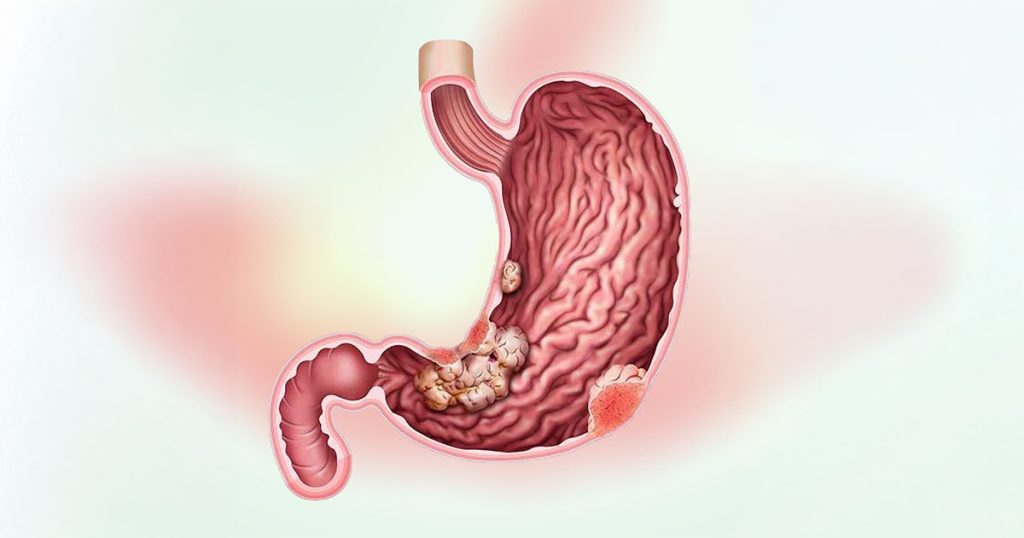
Stomach Cancer Stages: Symptoms, Diagnosis & Treatment

Stages of Stomach Cancer and Available Treatments

Stomach Cancer Stages: Symptoms, Diagnosis & Treatment

If you are reading this, chances are you or someone you love has been diagnosed with stomach cancer, or you are facing worrying symptoms and searching for answers. I want you to know this first. Feeling scared, confused, or overwhelmed is completely natural. When I was first trying to understand stomach cancer stages, every medical term felt heavy and unfamiliar. What helped me was breaking it down step by step and understanding what each stage really means and what can be done.

This blog is written for you, not just as medical information, but as reassurance that stomach cancer is treatable, and that Thangam Cancer Center has the expertise, technology, and compassion to support you at every stage.

Understanding Stomach Cancer staging (TNM & Clinical relevance

Doctors use something called the TNM system to stage stomach cancer. At first, this sounded intimidating to me, but it became clearer once explained simply.

T refers to how deep the tumour has grown into the stomach wall.
N refers to whether cancer has spread to nearby lymph nodes.
M refers to whether cancer has spread to distant organs.

Based on these three factors, stomach cancer is grouped into Stage I, II, III, or IV. Staging is not about labelling your future. It is about helping doctors choose the most effective treatment plan for your specific situation.

At Thangam Cancer Center, staging is done carefully using scans, endoscopy, biopsies, and advanced imaging. This accuracy matters because the right treatment at the right stage can significantly improve outcomes and quality of life.

Stage I Stomach Cancer – Tumour in Stomach Wall but limited spread

When I learned about Stage I stomach cancer, I felt a sense of cautious relief. At this stage, the cancer is still limited and has not spread far.

Stage I usually means the tumour is present in the inner layers of the stomach wall and may involve very few or no lymph nodes. Many people do not even realise they have cancer at this stage because symptoms can be mild or mistaken for acidity or indigestion.

Treatment options at stage I Stomach Cancer

Surgery is the main treatment at this stage. Doctors may remove part of the stomach or sometimes the entire stomach depending on tumour size and location. In some cases, chemotherapy may be given before or after surgery to reduce recurrence risk.

The encouraging part is that Stage I stomach cancer has a high chance of cure when treated early. At Thangam Cancer Center, surgical oncology teams focus on removing cancer completely while preserving quality of life. Recovery is closely monitored, and emotional support is always part of the care.

Helps suppress TSH levels and reduces the risk of recurrence. 

At Thangam Cancer Center, we guide patients through every step from diagnosis to recovery – so they never feel alone. Early-stage thyroid cancer is often highly curable, and with timely treatment, patients can return to normal life quickly. 

Stage II Stomach Cancer – Deeper tumour or more lymph node involvement

Stage II can feel frightening because it means the cancer has grown deeper into the stomach wall or spread to nearby lymph nodes. When I read about this stage, I worried about what it meant for long term survival. What helped was understanding that Stage II is still very treatable.

At this stage, the tumour may have reached the muscle layer of the stomach or involved several lymph nodes, but it has not spread to distant organs.

Treatment options at stage II Stomach Cancer

Treatment usually involves a combination approach. Surgery remains central, often followed by chemotherapy or chemoradiation. In some cases, chemotherapy is given before surgery to shrink the tumour and make removal more effective.

At Thangam Cancer Center, treatment plans are personalised. Doctors look at the tumour biology, the patient’s strength, and recovery goals. Many patients at Stage II go on to live full and active lives after completing treatment, especially when follow ups are done regularly.

Stage III Stomach Cancer – Regional spread, higher recurrence risk

Stage III stomach cancer means the disease has spread to several lymph nodes or nearby structures. This stage can feel emotionally heavy because the word advanced is often used. I want to reassure you that advanced does not mean hopeless.

Stage III cancers are aggressive, but they are still actively treated with curative intent in many cases.

Treatment Options at Stage III Stomach Cancer

Treatment is usually multi modal. Surgery is combined with chemotherapy and sometimes radiation therapy. Chemotherapy may be given before surgery to reduce tumour burden and after surgery to kill remaining cancer cells.

At Thangam Cancer Center, a multidisciplinary team comes together at this stage. Surgical oncologists, medical oncologists, radiation specialists, nutritionists, and counsellors work as one unit. This teamwork is critical because Stage III patients need not only strong treatment but also strong emotional and nutritional support.

While recurrence risk is higher, many patients respond well to treatment and continue long term follow up with stability and hope.

Stage IV Stomach Cancer – Metastatic (Lungs, Liver, Bones, Peritoneum)

Hearing Stage IV is often the hardest moment. I remember thinking that this stage meant the end. That is not true. Stage IV stomach cancer means the cancer has spread to distant organs such as the liver, lungs, bones, or the lining of the abdomen.

While Stage IV is not usually considered curable, it is treatable and manageable. The goal here is to control disease, relieve symptoms, and improve both length and quality of life.

Treatment Options at Stage IV Stomach Cancer

Treatment often includes chemotherapy, targeted therapy, immunotherapy, and supportive care. Surgery may still be used in select cases to relieve symptoms like obstruction or bleeding.

At Thangam Cancer Center, Stage IV care is deeply personalised. Doctors focus on extending life while ensuring comfort, dignity, and emotional support. Many patients live meaningful lives for years with modern treatments, especially when therapy is tailored using biomarker testing.

Key biomarker tests that influence treatment choice in India

One of the most hopeful advancements in stomach cancer treatment today is biomarker testing. When I learned about this, it changed how I viewed treatment completely.

Biomarkers help doctors understand the biology of the tumour, not just its size.

Common biomarker tests in stomach cancer include:

  • HER2 testing to identify suitability for targeted therapy
  • PD-L1 testing to determine response to immunotherapy
  • MSI and MMR testing to assess genetic instability
  • Next generation sequencing for advanced cases

In India, these tests are increasingly available and play a crucial role in choosing the right treatment. At Thangam Cancer Center, biomarker testing is integrated into treatment planning whenever appropriate. This ensures patients receive therapies that are more effective and less toxic, instead of a one size fits all approach.

Conclusion – Stage-based treatment is the key to better outcomes

If there is one thing I want you to take away from this, it is this. Your stage does not define your hope. It defines your treatment plan.

Outcomes have improved dramatically because Stomach Cancer treatments today are stage specific, biology driven, and deeply personalised. Whether you are at Stage I or Stage IV, there is always something that can be done to help you live better and longer.

At Thangam Cancer Center, patients are not just cases or reports. They are people with fears, families, and futures. The doctors here take the time to explain, listen, and guide you through every decision. You can trust that your care will be handled with expertise and humanity.

If you or your loved one is facing stomach cancer, know that you do not have to walk this path alone. Thangam Cancer Center is here to help you, support you, and stand by you at every stage.

FAQs on Stages of Stomach Cancer and Available Treatments​

Stomach cancer is commonly classified into four main stages, Stage I through Stage IV, based on the TNM staging system. This system evaluates how deeply the tumour has grown into the stomach wall, whether cancer has spread to nearby lymph nodes, and whether it has spread to distant organs. Stage I is an early stage where cancer is limited to the stomach, while Stage IV indicates metastatic disease. Understanding the stage is essential because it directly influences treatment options and expected outcomes. Early stages usually have better treatment success, while advanced stages focus on disease control and quality of life. Accurate staging helps doctors plan the most effective, individualised treatment strategy.

Yes, Stage 2 stomach cancer is often curable, especially when treated with a combination of surgery and chemotherapy. At this stage, cancer may have grown deeper into the stomach wall or spread to nearby lymph nodes, but it has not reached distant organs. Treatment usually involves surgical removal of the tumour along with lymph nodes, followed by chemotherapy to reduce the risk of recurrence. Outcomes are significantly better when treatment begins early and is completed as planned. With proper staging, experienced surgical care, and post treatment follow up, many patients with Stage 2 stomach cancer go on to live long, healthy lives after treatment.

Yes, stomach cancer is highly curable when detected early. Early stage stomach cancer is usually confined to the inner layers of the stomach and has not spread to lymph nodes or other organs. Treatment at this stage often involves surgery, sometimes combined with chemotherapy, and has a high success rate. Early detection allows doctors to remove cancer completely before it becomes aggressive. Unfortunately, early stomach cancer often causes mild or vague symptoms, which is why awareness and timely medical evaluation are critical. When diagnosed early and treated at a specialised cancer center, patients have a strong chance of long term survival and good quality of life.

Chemotherapy is not required for all stages of stomach cancer. In very early cases, especially Stage I, surgery alone may be sufficient. However, chemotherapy is commonly used in Stage II and Stage III to reduce recurrence risk and improve survival. In advanced Stage IV disease, chemotherapy plays a key role in controlling cancer growth and relieving symptoms. The decision to use chemotherapy depends on the stage, tumour biology, patient health, and treatment goals. Doctors may also use chemotherapy before surgery to shrink the tumour or after surgery to eliminate remaining cancer cells. Treatment is always tailored to individual patient needs.

Stopping stomach cancer from spreading depends on early diagnosis and appropriate treatment. Surgery to remove the tumour and affected lymph nodes is the most effective way to control early stage disease. Chemotherapy, targeted therapy, or immunotherapy may be used to destroy microscopic cancer cells that cannot be seen on scans. Regular follow up, imaging, and blood tests help detect recurrence early. Lifestyle changes, nutritional support, and completing treatment as recommended also play an important role. While advanced stages cannot always be cured, modern therapies can slow progression, reduce symptoms, and improve survival. Timely, stage based treatment is the key to better outcomes.

D2 lymph node dissection is a surgical technique used in stomach cancer where both the primary tumour and a wide group of surrounding lymph nodes are removed. This approach helps achieve better cancer control by reducing the risk of recurrence. D2 dissection is commonly practiced in India because many patients present with locally advanced disease, and Indian cancer centers have extensive surgical expertise in this technique. When performed by trained surgeons, D2 dissection improves staging accuracy and long term survival without increasing complications. It is considered the standard of care for operable stomach cancer in experienced centers across India.

Targeted therapies are used in stomach cancer when specific biomarkers are present. Common targeted drugs include trastuzumab for HER2 positive stomach cancer and ramucirumab, which targets blood vessel growth in tumours. In some patients, immunotherapy drugs such as pembrolizumab or nivolumab may be used, especially when PD-L1 or MSI markers are positive. These treatments work differently from chemotherapy by focusing on specific cancer pathways. Targeted therapies are often better tolerated and can improve outcomes in advanced disease. Biomarker testing is essential to determine eligibility and is increasingly available in specialised cancer centers. 

Stomach cancer treatment in India has become increasingly accessible due to the growth of specialised cancer centers, advanced surgical expertise, and availability of modern therapies. Many hospitals now offer comprehensive care including surgery, chemotherapy, radiation, targeted therapy, and immunotherapy. Costs are generally lower compared to many other countries, making treatment more affordable. Government health schemes and insurance coverage have also improved access for many patients. Early diagnosis and treatment at an experienced center remain crucial for better outcomes. With the right medical team and timely care, patients in India can receive world class stomach cancer treatment close to home. 

Scroll to Top

For Emergency

Please call us at:

+91 73732 33333

Call Now