
What Is Blood Cancer? Early Signs and Symptoms

What Is Blood Cancer? Early Signs and Symptoms of Blood Cancer

What Is Blood Cancer? Early Signs and Symptoms of Blood Cancer​

Blood cancer affects your blood, bone marrow and lymphatic system, where abnormal cells grow out of control, quietly disrupting the healthy blood production that keeps you strong. In this blog, you’ll discover the main types of blood cancer and their early signs. Gentle knowledge we hope empowers you to notice subtle changes sooner, opening doors to early detection that brings brighter outcomes and real hope on this tender journey. We’re with you, holding space for every question and fear.

What is Blood Cancer (Hematologic Cancer Overview)

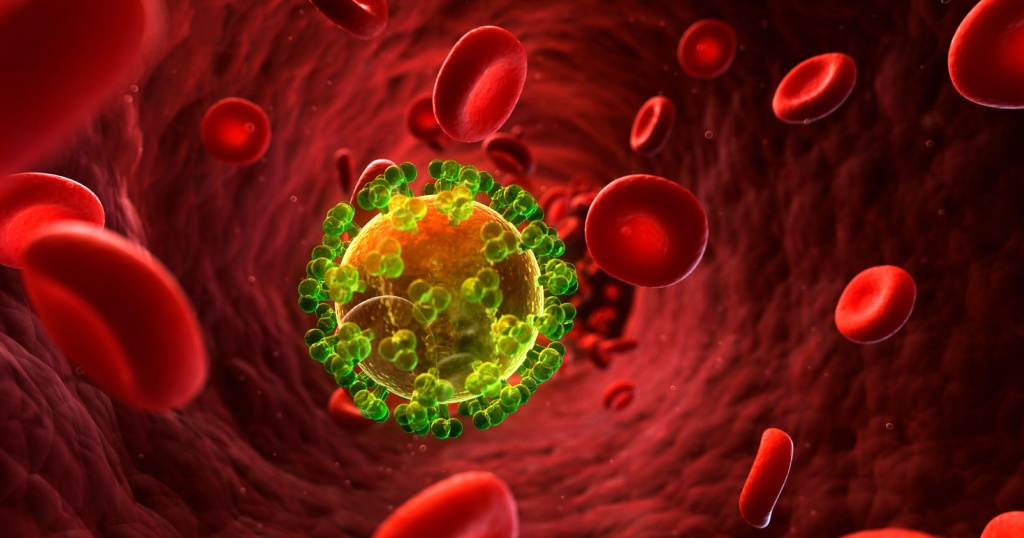
Imagine your blood – the quiet river carrying life through your veins, suddenly disrupted by cells that grow wildly out of control. Blood cancer, also known as hematologic cancer, happens when these abnormal cells take over your blood-forming tissues, striking at the heart of the bone marrow and lymphatic system. There, faulty cells, often white blood cells meant to protect you, turn against their purpose, crowding out the healthy ones that help you breathe easy, fend off illness, and heal from small hurts.

We know this can feel overwhelming, like a shadow falling over days that once felt certain. You might notice it first as a deep, unrelenting fatigue or bruises blooming without reason, your body’s hypersense asking for help. But here’s the gentle truth: recognizing these early symptoms opens doors to timely care that honours your resilience and fights back with hope. At Thangam Cancer Hospital, our team walks beside you with open hearts and steady hands, every compassionate step infused with understanding for the journey you’re on.

Types of Blood Cancer

Blood cancer comes in several types, each starting in different parts of your blood-forming system, but all share the challenge of abnormal cell growth. The three main types of blood cancer- leukaemia, lymphoma, and multiple myeloma differ in how they affect the body: leukaemia targets blood and marrow, lymphoma the lymph nodes, and myeloma plasma cells. They can be acute (fast-growing, needing urgent care) or chronic (slower, allowing more time for management), including subtypes like B-cell and T-cell cancers in lymphomas.

Leukaemia

Leukaemia is a cancer of the blood and bone marrow, where abnormal white blood cells are produced in excess, overwhelming healthy cells and leaving you vulnerable.

Lymphoma

Lymphoma affects the lymphatic system, often causing swollen lymph nodes as a common early sign, as cancerous cells build up in these immune hubs.

Multiple Myeloma

Multiple myeloma is a cancer of plasma cells in the bone marrow, weakening immunity and bone strength, which can lead to fractures and fatigue.

What Causes Blood Cancer? (Risk Factors Explained)

The exact causes of blood cancer remain unknown in most cases, but certain risk factors can play a role without guaranteeing you’ll develop it. These include advancing age, family history, exposure to radiation or chemicals like benzene, smoking and certain genetic conditions or prior chemotherapy. Remember, many people with these risks never face blood cancer, it’s a reminder to focus on what you can control, like healthy living, while staying vigilant.

Early Signs and Symptoms of Blood Cancer

Early symptoms of blood cancer can feel vague, like a stubborn flu, because they stem from fewer healthy blood cells doing their jobs. You might notice them gradually, but don’t ignore them if they persist. These warning signs are your body’s quiet plea for attention, and catching them early can open doors to effective care.

General (Systemic) Symptoms

  • Persistent fatigue that rest doesn’t fix.
  • Fever without obvious infection.
  • Drenching night sweats.
  • Unexplained weight loss.

Blood-Related Symptoms

  • Frequent infections that linger.
  • Easy bruising or bleeding from minor bumps.
  • Pale skin from anemia.
  • Shortness of breath during routine tasks.

Bone and Lymphatic Symptoms

  • Bone or joint pain without injury.
  • Swollen lymph nodes, often painless.
  • Enlarged spleen or liver, causing belly discomfort.

Symptoms in Children vs Adults

Blood cancer symptoms in children and adults overlap but can present differently kids might show more acute leukaemia signs like bruising or pallor, while adults often notice subtler fatigue or night sweats first. Pediatric leukaemia is more common in children, hitting fast with fevers and bone pain, whereas adult blood cancer signs like swollen nodes build gradually. No matter your age, these cues deserve a gentle, prompt check, early steps bring reassurance.

When Should You See a Doctor?

See a doctor for persistent symptoms lasting more than 2–3 weeks, like ongoing fatigue or unusual bruising, as they could signal early diagnosis of blood cancer. Don’t hesitate if multiple signs appear together – our Cancer Specialists at Thangam Cancer Hospital encourage you to reach out without worry; we’re here to listen, evaluate compassionately, and support your well-being.

Frequently Asked Questions (FAQs)

Blood cancer is a condition where abnormal blood cells grow uncontrollably in the blood, bone marrow, or lymphatic system, and at Thangam Cancer Hospital, we focus on early diagnosis and personalised care to help patients manage the disease and move toward recovery with confidence.

First signs of blood cancer often include fatigue, frequent infections, easy bruising, night sweats, or swollen lymph nodes, and if these symptoms persist, the team at Thangam Cancer Hospital encourages a timely checkup for clarity and peace of mind.

Blood cancers don’t always stage traditionally like solid tumors; early stages show low abnormal cell counts in blood or marrow, detectable via tests at Thangam, we focus on catching this for hopeful outcomes.

Early detection of blood cancer begins with blood tests and physical examinations that identify signs like anemia or enlarged lymph nodes, and regular checkups at Thangam Cancer Hospital help spot risks early and offer proactive peace of mind.

Blood cancer is primarily caused by acquired genetic mutations in blood cell DNA that lead to uncontrolled production of abnormal blood cells, which crowd out healthy ones in the bone marrow. Thangam specialists reassure that awareness, not fear, guides prevention and vigilant monitoring.

No, it doesn’t always; some feel bone pain or none early on, as symptoms vary – at Thangam, we help discern real concerns from passing aches with empathetic evaluation.

Higher risks include older adults, smokers, those with chemical exposure or family history but most never develop it; Thangam supports personalized risk talks for calm awareness.

Yes, children can, often acute leukaemia with symptoms like fatigue or bruising; Thangam Cancer Hospital’s pediatric care wraps families in compassionate, expert support during these tough times.

Scroll to Top

For Emergency

Please call us at:

+91 73732 33333

Call Now