
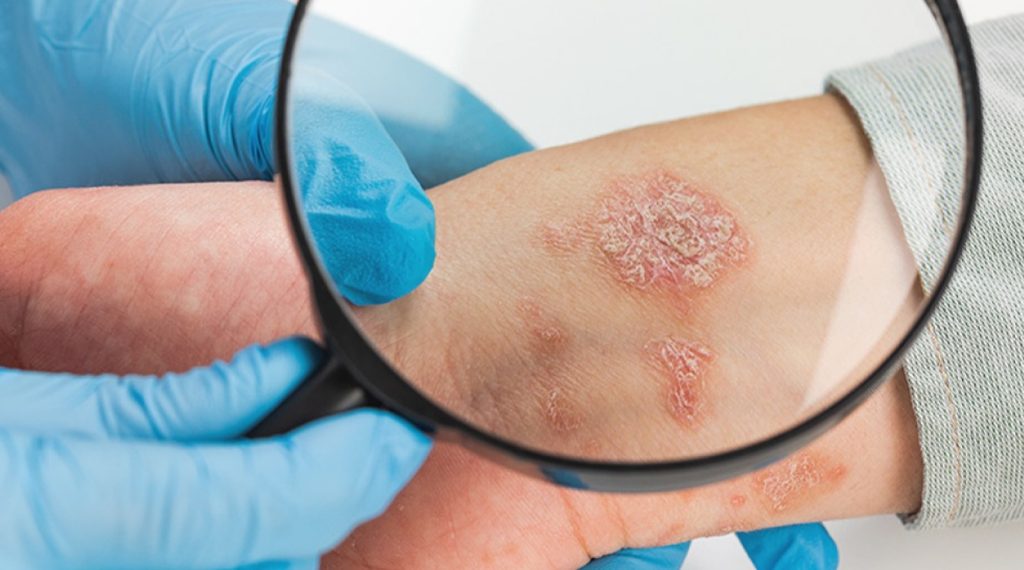
What Is Skin Cancer? Types, Causes and Early Signs​

What Is Skin Cancer? Types, Causes and Early Signs

What Is Skin Cancer? Types, Causes and Early Signs​

Skin cancer is a disease in which abnormal cells grow in the tissues of your skin. Usually, as skin cells die with age, new ones take their place. If this mechanism does not work properly – for example, after UV rays from sunlight have hit cells – cells grow faster. While these may be noncancerous (benign) cells that do not spread or cause damage, it can also be cancerous cells (malignant).

Why Understanding Skin Cancer Matters

Skin cancer can rapidly spread all over the body if it is not treated quickly. However, early detection of skin cancer ensures that it not just managed but cured. Therefore, if you have any signs or symptoms of skin cancer, you should consult your doctor immediately. This is why understanding skin cancer and its symptoms become important.

Thangam Hospital in India is known as one of the top cancer specialty hospitals in the country and offers specialized cancer care for all types of cancers. Thangam Cancer centre is a fully integrated hospital with the latest equipment for diagnostics to surgery and post cancer care management.

The hospital’s medical equipment is top of the line with the latest technology that helps not just in precision diagnosis but also speed up the treatment protocols. The entire medical team that includes Surgical oncologists, Radiation Oncologists and Medical Oncologists work together in providing an individualized care plan for every patient. The nursing staff are well-trained professionals rendering top-notch care. And their up-to-date facilities complement the care rendered in a nurturing environment.

What Are the Different Types of Skin Cancer?

The types of skin cancer are broadly categorized based on the location where the cancer begins. The three main types of cancer are as follows:

Basal Cell Carcinoma (BCC)

Usually appearing as a shiny or translucent growth on your forehead, neck, or chest. BCC does not usually metastasize to other areas of the body. However, if left untreated, it could potentially cause damage in the local area. This cancer type develops as a result of exposure to the sun’s rays and will primarily be found on those areas of the body that are usually exposed to sun’s rays. 

Squamous Cell Carcinoma (SCC)
SCC begins in the squamous (flat) skin cells of the epidermis. These lesions are often red and are usually either a firm lesion or flat with a dry, crusty surface. With early treatment, most SCCs can be cured; however, there are possibilities for SCC to spread to other areas of the body.

Melanoma
Melanoma is by far the most aggressive type of skin cancer. It originates in the melanoma cells (those produce pigments) on your body. They often appear to be new dark spots or changes in existing moles. Melanomas spread easily (metastasize) to other areas, making the risk of developing melanoma more severe than with other forms of skin cancer.

What Causes Skin Cancer?

The main cause of skin cancer is DNA damage of skin cells due to excess sun, tanning bed, and UV rays. Skin cells that suffer this type of damage will grow uncontrollably. Some major risk factors for developing skin cancer include a history of sunburn (especially blistering sunburns), fair skin, a family history of skin cancer, and having a weakened immune system.

Excessive Sun Exposure
Excessive sun exposure is the most common cause of developing skin cancer; in fact, the majority of skin cancers occur as a result of sunburning and blistering from exposure to UV radiation from the sun, as these UV rays damage the DNA found in your skin cells, leading to the formation of abnormal skin cells. These abnormal skin cells then continue to grow exponentially and produce a large number of skin cancer cells.

Weakened Immune System
If your immune system is compromised (due to an illness or from medication) your chances of developing skin cancer (squamous cell, melanoma or Kaposi sarcoma) are all very high. There are estimates that, for example, an organ transplant recipient can have as high as 65 times increased risk of developing certain types of skin cancer.

Family History and Genetics
Genetic factors and family background significantly contribute to the likelihood of developing skin cancer, with inherited mutations accounting for 5–10% of cases and increasing the risk of melanoma two to threefold. Certain gene mutations can be inherited, resulting in a heightened susceptibility to skin cancer. Having a close family member who has had similar cancer raises an individual’s risk of developing that cancer by two to three times.

Early Signs and Symptoms of Skin Cancer

The first symptoms of skin cancer encompass non-typical changes and/or developments to existing moles, such as irregular borders, multi-variations in color, size alterations. Three major indicators are bleeding, itching and/or crusty spots; along with ulcers which do not heal from 3-4 weeks. The most frequent locations for this type of cancer are areas subjected directly to sunlight: face, scalp, and/ears, and upper arms.

Changes in Moles (ABCDE Rule)

The major skin cancer symptoms are changes in moles:

  • Asymmetry: One half of the spot does not match the other.
  • Border: Edges are irregular, notched, ragged, or blurred.
  • Color: The color is not uniform, featuring shades of brown, black, red, white, or blue. 
  • Diameter: The spot is larger than 6 millimeters (about the size of a pencil eraser), though some can be smaller.
  • Evolving: The spot is changing in size, shape, color, or texture over time

New or Unusual Growth
Early signs of skin cancer often appear as new, changing, or unusual growths, such as a mole that evolves in size, shape, or color, a pearly bump, or a scaly patch. Examples of changing moles might include very rapidly developing moles, moles with significant colour shading, and moles with uneven, asymmetrical edges (as opposed to moles with smooth, consistent edges).

Sores That Do Not Heal
An ulcer or sore that does not heal, or keeps scabbing, bleeding, or oozing is a sign of skin cancer. The sore may appear to heal, only for the same spot to break down or crust over again. A spot that has a crater-like appearance or depression in the middle.

Itching, Bleeding, or Crusting Skin Lesions
Skin lesions with a duration of greater than two weeks that have symptoms of itching, bleeding and/or crusting, is a significant indicator of possible skin cancer including basal cell carcinoma, squamous cell carcinoma and melanoma. Similar to the above two examples, these types of skin lesions also typically manifest as new or growing spots, lumps or patches of skin, especially on the face, neck, or hands where the skin has received sunlight exposure.

Who is at a Higher Risk of Skin Cancer?

Skin cancer risk factors typically include people with light skin, light-colored hair, light-colored eyes (blue or green), many moles or history of skin cancer in their family. Those with a history of severe sunburns, long-term sun exposure, or a history of using tanning beds have a significantly higher level of risk.

Fair Skin:
People who have pale skin and are prone to burning easily in the sun or have many freckles, light-colored eyes (blue or green) and have blonde or red hair are unable to produce enough melanin as a natural sunscreen from UV rays.

Sun Exposure:
A history of severe sunburns (especially blistering in childhood) and many cumulative hours of sun exposure throughout life greatly increases the risk of developing skin cancer.

Age:
Although anyone can develop skin cancer, the chance of developing it increases with age: women are more likely than men before the age of 50; after that age, more men develop skin cancer than women.

Family History:
If you have had a relative diagnosed with skin cancer or a parent or sibling had a previous diagnosis, then you are more likely to develop this type of cancer too.

Why Early Detection Is Important

An early diagnosis of skin cancer in a timely manner is so important that the chance of surviving and living five years after an initial diagnosis of localized melanoma is nearly 99% of the population and greater than 95% survival rate for non-melanoma (basal or squamous cell) cancers if diagnosed in a timely manner. Timely identification of skin cancer can provide a less aggressive and highly effective treatment before metastatic spread occurs to lymph nodes or other parts of the body.

When Should You See a Doctor?

If the individual notices a new or changing lesion, make a dermatologist consultation if the person’s lesion(s) persists greater than 2-4 weeks. New or suspicious moles, lesions that bleed, crust, or itch may all be indicators of possible malignant changes in the skin. If the individual doctor determines that the individual has a skin lesion(s) that has the potential to be malignant, a biopsy will be performed to determine how to treat it; treatment options will be discussed with the patient. Additionally, a visit to a dermatologist is recommended once per calendar year for a full skin exam.

Thangam Cancer Center is a leading multispecialty hospital with a strong commitment to advanced cancer treatment and holistic oncology services. At Thangam Cancer Centre, we aim to provide everyone with high-quality, easily accessible cancer care. We are a leader in integrated cancer treatment and have achieved many milestones in life-changing ways and restoring hope. If you want quality oncology services in India, global options for cancer treatment or want the best oncologist in the world, Thangam Cancer Center is your answer for a skin cancer check.

We believe that education about a disease coupled with quick access to medical care saves lives. If a person can recognize the signs of skin cancer and seeks medical help quickly, they will markedly improve their chances of being treated successfully and regaining their health as soon as possible. Our healthcare professionals specializing in oncology and dermatology are committed to providing compassionate, sophisticated and individualized care for every stage of your journey to better skin health.

FAQs on Skin Cancer, Types, Causes and Early Signs

Skin cancer is predominantly due to prolonged exposure to UV radiation from the sun or tanning beds. When your skin cell DNA is damaged by UV rays, the cell can become abnormal and produce rapidly growing cancer cells over time. The repeated exposure to sunlight that causes sunburns, particularly at an early age, is a significant risk factor for skin cancer in adulthood.

The warning signs of skin cancer include any new and/or changing birthmarks, new skin growths on the skin, sore(s) that don’t heal for an extended period of time, spots that itch, bleed and/or crust, as well as the size, color, shape and/or texture of any of your skin growths (ie. birthmark, skin blemish). If any of these are found, seek professional evaluation as soon as possible.

Melanoma is by far the most serious type of skin cancer because it has the ability to quickly spread to other parts of the body if not diagnosed early. Therefore, while melanoma is less prevalent than basal cell or squamous cell carcinomas, it presents a much more serious risk and requires an immediate professional diagnosis and treatment to provide the best chance of a good outcome.

There is a way to prevent many cases of skin cancer by preventing excessive exposure to ultraviolet (UV) radiation from the sun. You can reduce your chance of being diagnosed with skin cancer by using protection against UV rays such as sunscreen, protective clothing, sunglasses, or by avoiding direct sunlight during the peak hours when UV rays are at their highest levels. In addition to sun protection, having regular skin checkups and avoiding tanning beds are very important to being able to prevent skin cancer. 

Skin cancer is usually diagnosed with a physical examination of your skin by your healthcare provider or dermatologist. If you have a suspicious-looking mole or spot on your skin, your healthcare provider may do a biopsy (removal of a small portion of your skin to examine under a microscope) to determine whether a cancerous tumor is present.

Yes, skin cancers can often be treated and/or cured if they are diagnosed at an early enough stage. Basal cell cancers and squamous cell cancers usually are treated successfully, and if melanoma has not spread to any other parts of your body before it is diagnosed, it has a very high rate of recovery if caught early enough in its development. Early detection of skin cancer greatly increases the likelihood of recovering from them and being treated successfully.

You should conduct a skin check monthly to evaluate for any new or growing moles or spots on the skin (in addition to scheduling an annual in-person skin cancer evaluation with a dermatologist if you have risk factors such as a family history of skin cancer).

Skin cancer cells can be destroyed through treatments such as surgery, radiation therapy, chemotherapy, immunotherapy, targeted therapy, or cryotherapy, depending on the type and stage of cancer. The treatment plan is personalized for each patient to effectively remove or destroy cancer cells while protecting healthy tissue.

Scroll to Top

For Emergency

Please call us at:

+91 73732 33333

Call Now